
Finding the right telehealth psychiatrist can greatly impact one's mental health journey. The process requires careful consideration of individual needs and available resources.
Many platforms offer connections to licensed professionals, but not all are created equal. Understanding how to navigate this landscape is essential for effective support.
What steps should one take to guarantee a suitable match? Exploring these nuances can lead to a more fulfilling therapeutic experience.
As mental health awareness continues to grow, telehealth psychiatry has emerged as a viable option for individuals seeking treatment. This approach utilizes digital platforms to connect patients with licensed psychiatrists remotely, allowing for flexible scheduling and increased accessibility.
Telehealth psychiatry encompasses various services, including evaluations, therapy sessions, and medication management, all conducted through secure video conferencing or phone calls.
Patients benefit from the convenience of receiving care from the comfort of their homes, reducing barriers such as transportation and time constraints. In addition, telehealth expands the reach of mental health professionals, making specialized care available to those in underserved areas.
How can individuals effectively assess their mental health needs before seeking a telehealth psychiatrist? They can start by reflecting on their emotional state, identifying specific symptoms, and recognizing patterns of behavior that may indicate distress. Journaling thoughts and feelings can help clarify concerns.
Additionally, individuals should consider any past mental health experiences, including treatments that were effective or ineffective. It's important to distinguish between temporary stressors and chronic issues. Seeking feedback from trusted friends or family members may provide further insight.
Ultimately, a clear understanding of one's mental health needs will facilitate a more productive search for appropriate telehealth support.

When individuals commence on the journey of finding a telehealth psychiatrist, thorough research is essential to guarantee a good match for their specific needs.
They should begin by exploring various platforms that offer telehealth services, ensuring they understand the available options. Reading reviews and testimonials can provide insights into the experiences of others. Additionally, individuals might consider seeking recommendations from trusted sources, such as friends or healthcare professionals.
It is also beneficial to look for psychiatrists who specialize in specific mental health concerns, as this can lead to more effective treatment tailored to individual circumstances and preferences.
Evaluating the credentials and experience of a telehealth psychiatrist is essential for ensuring quality care. Potential patients should verify the psychiatrist's educational background, confirming they hold appropriate degrees from accredited institutions.
Additionally, checking for board certification in psychiatry underscores their proficiency in the field. Experience is equally critical; individuals should seek psychiatrists with a track record of treating similar conditions.
Online reviews and testimonials can provide insights into their effectiveness and patient rapport. Finally, it is advisable to inquire about the psychiatrist's continuing education, as this illustrates a commitment to staying updated with the latest developments in mental health care.

While seeking a telehealth psychiatrist, it is essential to evaluate their treatment approaches and specializations, as these factors considerably influence the effectiveness of care. Different psychiatrists may focus on various modalities, such as cognitive behavioral therapy, psychodynamic therapy, or medication management.
Specializations might include anxiety disorders, mood disorders, or trauma-related conditions. Understanding a psychiatrist's expertise can help individuals find a provider who aligns with their specific needs.
Additionally, considering the integration of evidence-based practices and holistic methods may enhance treatment outcomes, ensuring a tailored approach that resonates with the patient's unique experiences and preferences in mental health care.
How does one navigate the process of scheduling a first appointment with a telehealth psychiatrist? The individual typically begins by researching potential psychiatrists and reviewing their credentials, specialization, and patient reviews. After selecting a suitable professional, they can either call the office or use an online booking system to schedule the appointment.
During this initial interaction, the individual may need to provide personal information, insurance details, and a brief overview of their mental health concerns.
Once scheduled, it's essential to prepare questions about treatment approaches, confidentiality, and session formats, ensuring a productive first meeting. Expect a welcoming, professional environment.
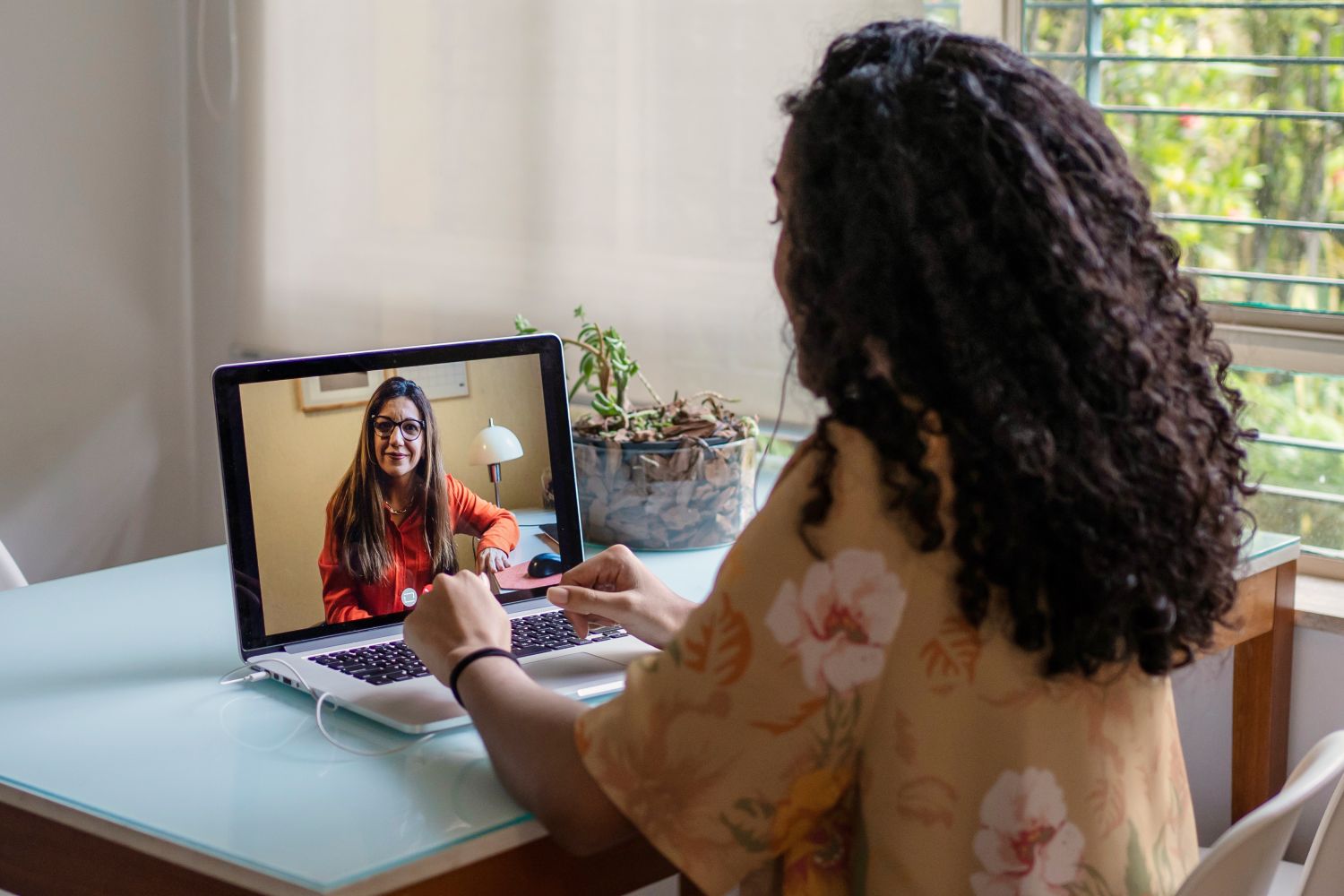
Yes, individuals can typically switch from in-person to telehealth appointments, depending on their provider's policies and the specifics of their treatment. Many mental health professionals offer flexible options to accommodate patients' preferences and needs. It is advisable to communicate directly with the provider to confirm availability and any necessary adjustments in scheduling or technology requirements. Shifting to telehealth can provide convenience and accessibility for ongoing mental health support.
To prepare for a first telehealth appointment, an individual should find a quiet, private space with a reliable internet connection. They should guarantee their device is fully charged and that the necessary software is installed. It is helpful to have a list of questions or concerns ready to discuss, along with any relevant medical history. Additionally, they should consider having a family member or friend nearby for support if needed.
To guarantee privacy during virtual sessions, individuals should use secure, encrypted platforms specifically designed for telehealth. They should choose a private location free from distractions and potential eavesdroppers. Additionally, using headphones can help maintain confidentiality. It's also advisable to review privacy policies of the service being used and ascertain that personal information is shared only when necessary. Regularly updating passwords and using two-factor authentication can further enhance security during online consultations.